

Live conditions · heard by our forest microphone
The Birds of Cowichan Lake
Updated:
A BirdWeather listening station at Aera Cabins identifies bird species by their songs and calls, around the clock, loons at dawn, eagles overhead, owls after dark. This page shows what has actually been heard in the forest around the cabins, updated live, with a field guide to every species detected.
9466 Creekside Drive, Youbou, BC, Cowichan Lake, Vancouver Island
Updated continuously
The Soundscape
Activity by period
Detections are individual songs and calls identified by the station, one busy bird can rack up dozens in a morning. The species count is the better measure of how varied the forest sounds.
Most heard · last 24 hours
Latest detections
The voices of Aera, a field guide
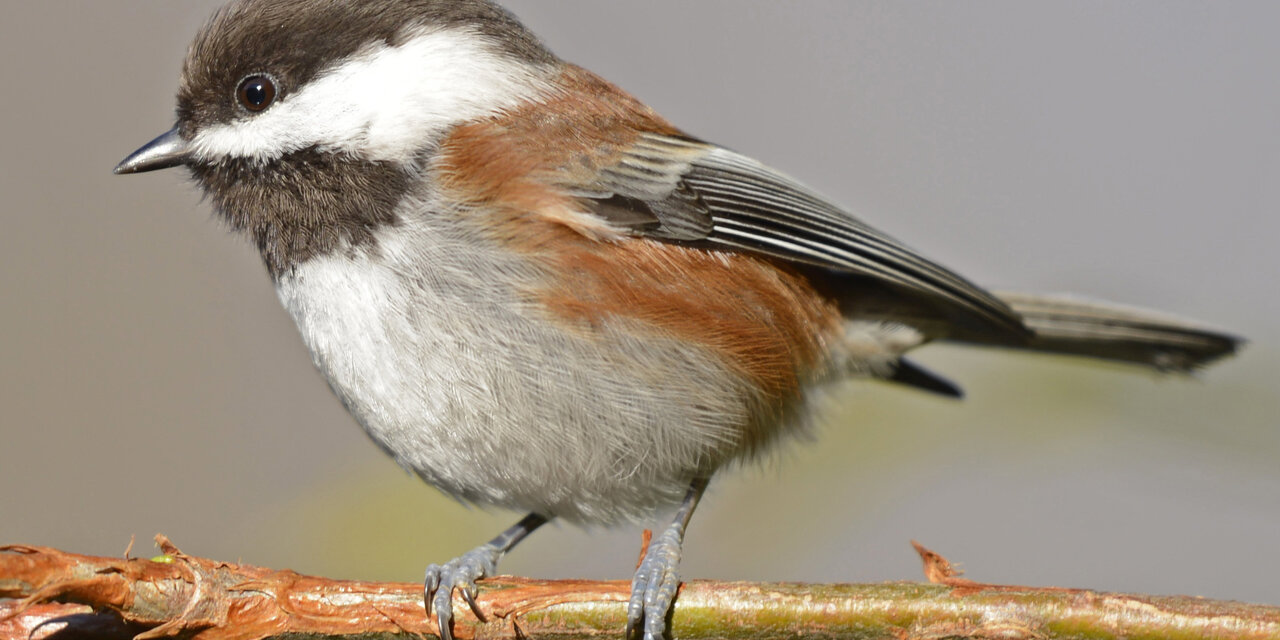
Chestnut-backed Chickadee
Poecile rufescens
The Pacific rainforest’s own chickadee, rich chestnut on the back, and the default chickadee in island conifers. Roving flocks pass through the trees around the cabins.
The sound: A wheezier, faster “tsick-a-dee-dee” than other chickadees; no whistled song.
When to listen: All day, year-round, usually in moving flocks.
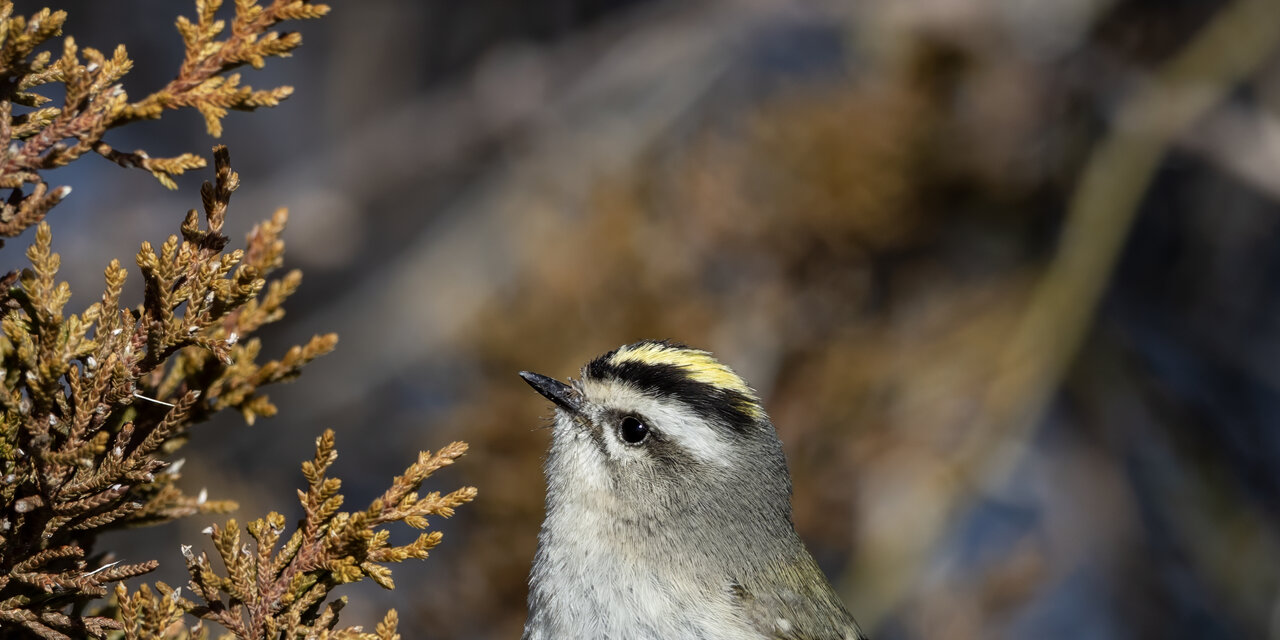
Golden-crowned Kinglet
Regulus satrapa
A minuscule conifer sprite with a striped face and a golden crown, flickering through the fir canopy in little flocks.
The sound: Thin, ultra-high “see-see-see” notes, one of the highest-pitched sounds in the forest.
When to listen: All day, year-round, high in the conifers.
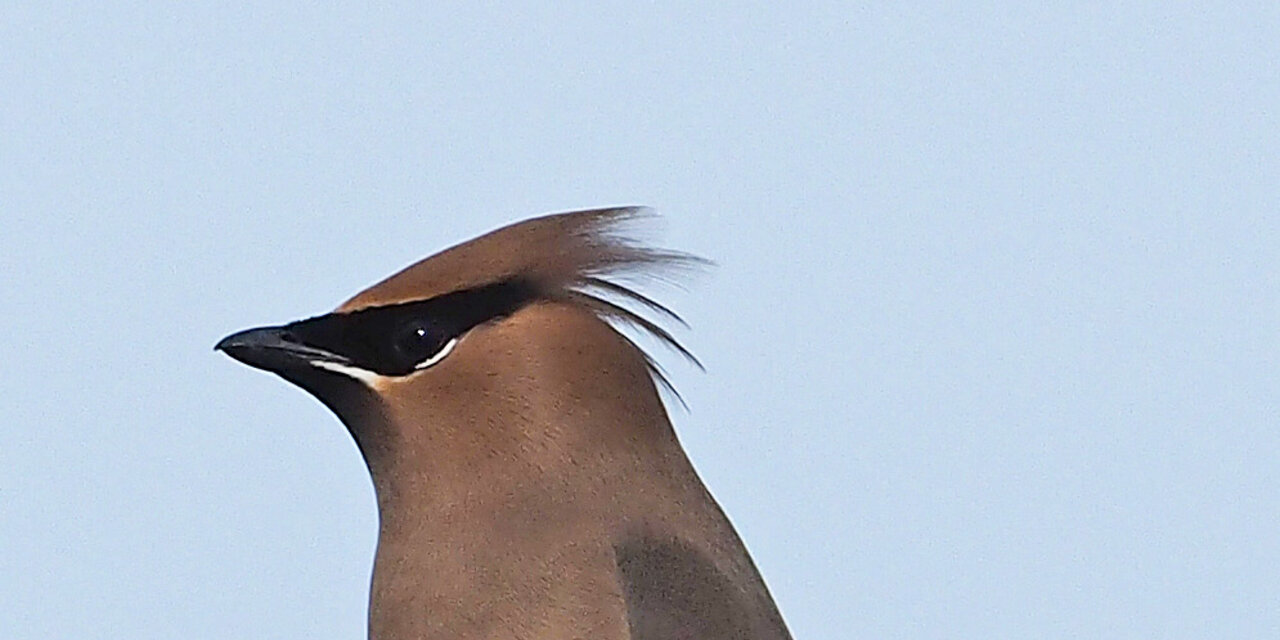
Cedar Waxwing
Bombycilla cedrorum
A sleek, crested songbird with a black mask, silky brown-to-yellow plumage, and waxy red wing tips. Waxwings travel in sociable flocks, passing berries beak-to-beak along the lakeshore.
The sound: A thin, high-pitched “sree” whistle, so high it’s easy to miss until a whole flock is trilling overhead.
When to listen: Late spring through summer, often in flocks over the water catching insects at dusk.
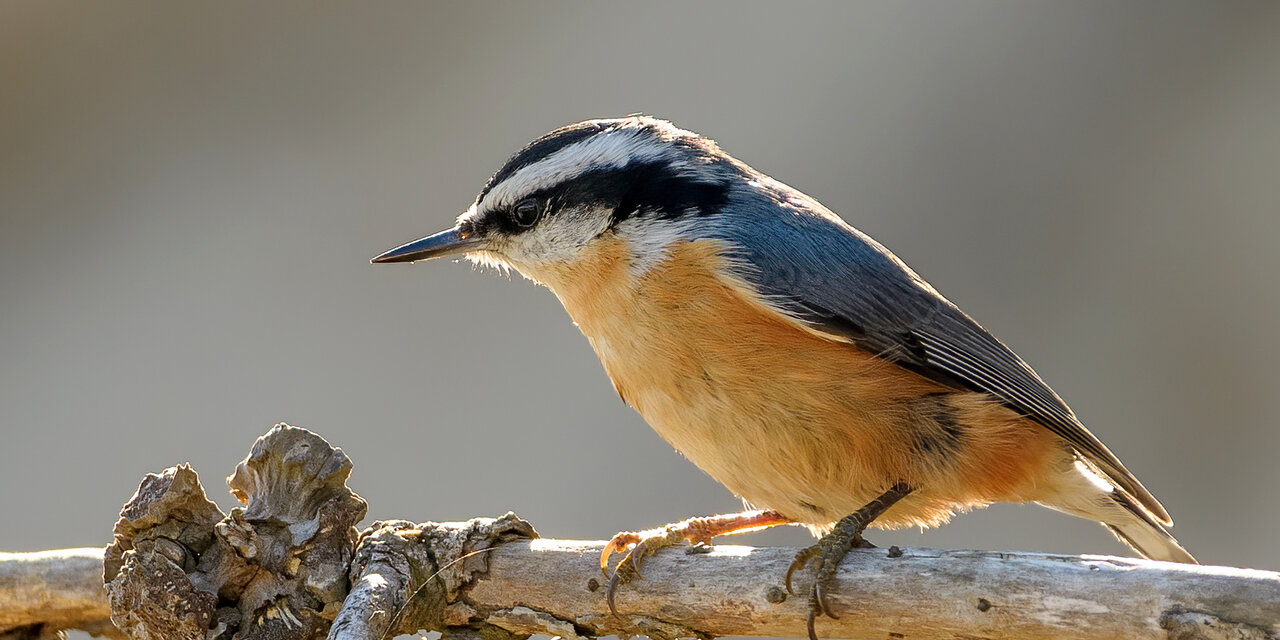
Red-breasted Nuthatch
Sitta canadensis
A tiny, rust-bellied acrobat that walks headfirst down tree trunks, prying insects from the bark of firs.
The sound: A nasal, tin-horn “yank-yank-yank”, repeated tirelessly.
When to listen: All day, year-round; a constant background voice in conifer forest.
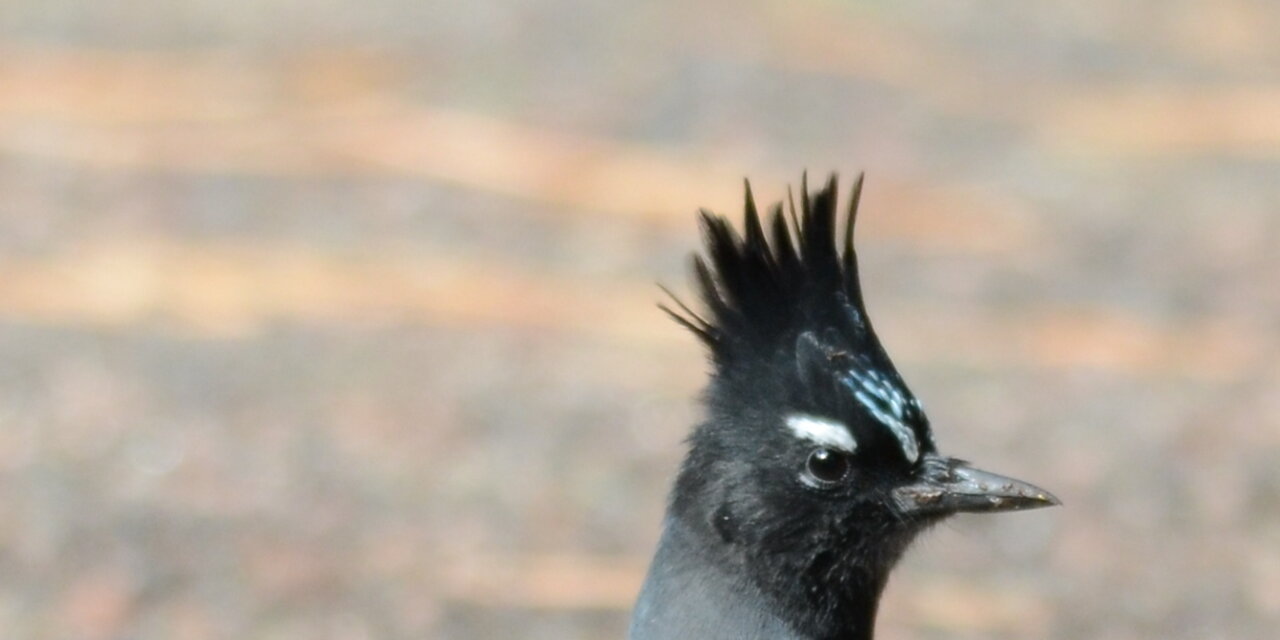
Steller’s Jay
Cyanocitta stelleri
BC’s provincial bird, a crested, ink-blue jay with plenty of attitude. Bold around the cabins and a brilliant mimic of other birds (including eagles).
The sound: A harsh “shack-shack-shack” scold, squeaky-gate calls, and convincing hawk impressions.
When to listen: All day, year-round, the most conspicuous personality in the forest.
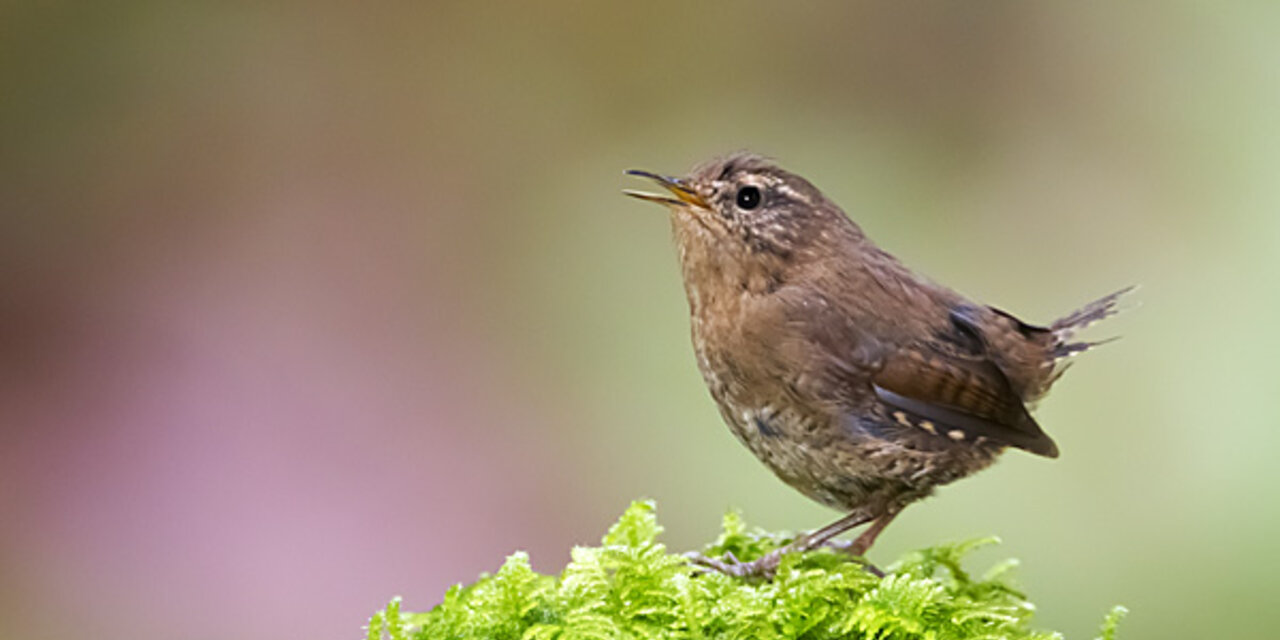
Pacific Wren
Troglodytes pacificus
A tiny, dark wren of old-growth understory, one of the defining voices of coastal BC rainforest. It lives in the ferns and root-wads right around the cabins.
The sound: An astonishing, tumbling song, up to 10 seconds of rapid trills from a bird that weighs less than a toonie.
When to listen: Throughout the day, loudest in the first hours after sunrise.
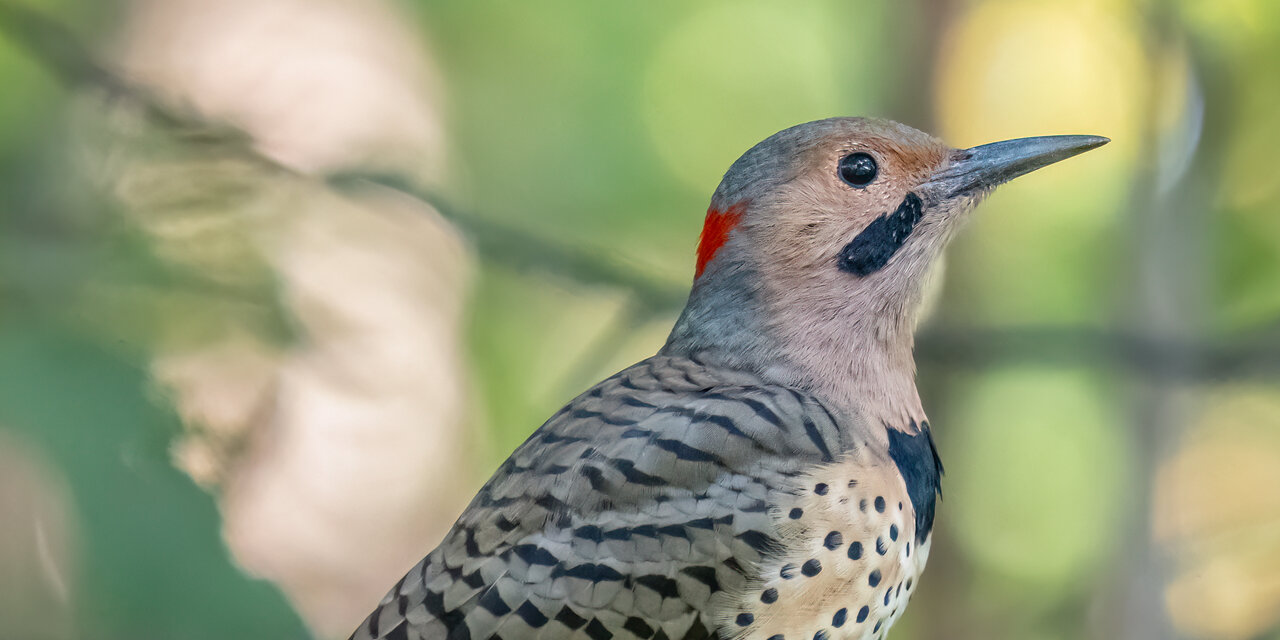
Northern Flicker
Colaptes auratus
A big, ground-feeding woodpecker with salmon-red wing linings that flash in flight. Common at forest edge and around buildings.
The sound: A long, loud “wick-wick-wick” series, a piercing single “klee-yer”, and spring drumming, sometimes on metal roofs.
When to listen: All day; loudest in spring.
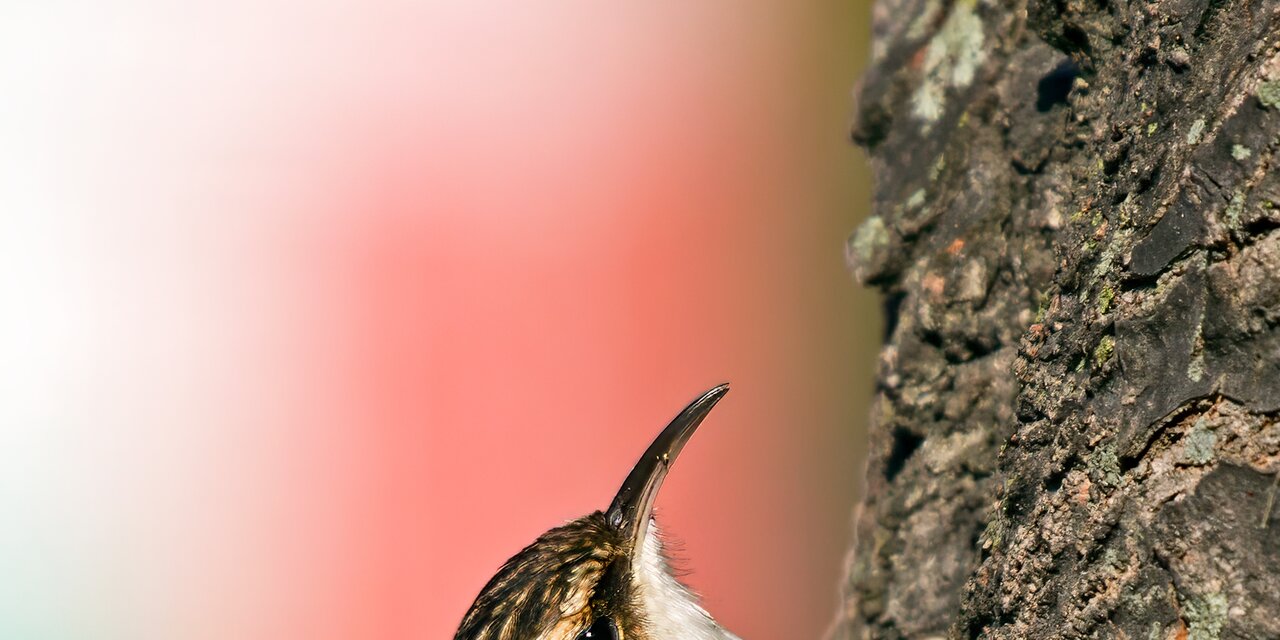
Brown Creeper
Certhia americana
A bark-coloured mouse of a bird that spirals up tree trunks, then flutters down to start again. Easy to hear, hard to see.
The sound: A thin, high “seee” call and a delicate, tumbling song often written as “trees, trees, pretty little trees”.
When to listen: Daylight hours year-round; song mostly in spring.
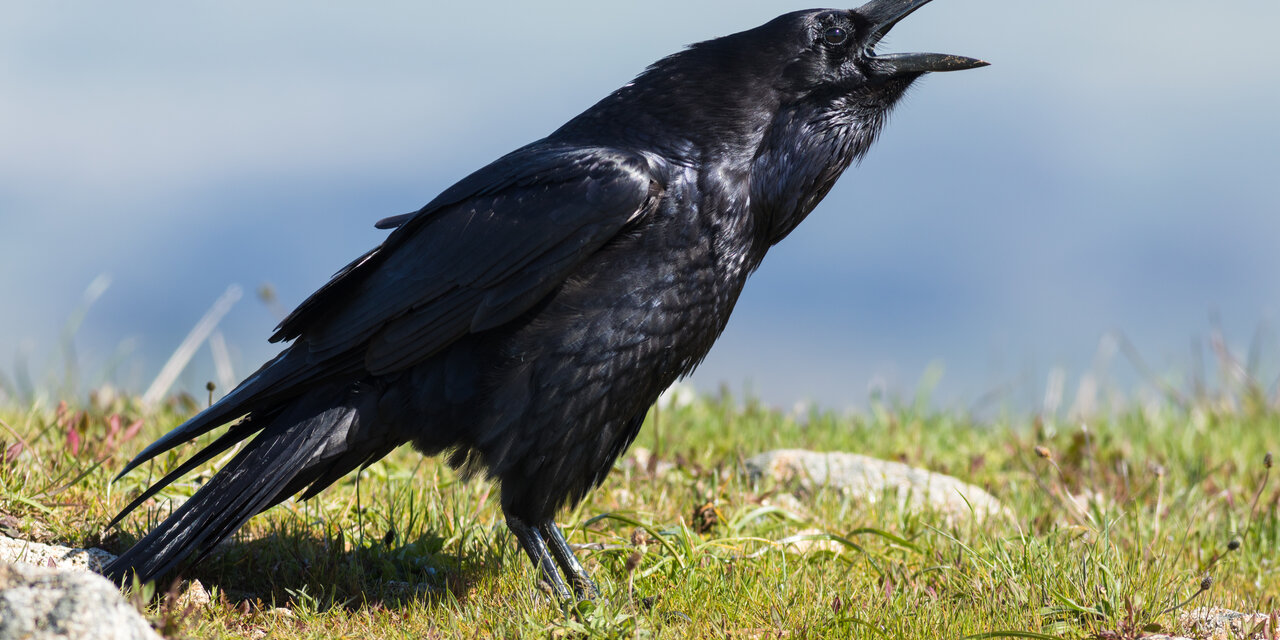
Common Raven
Corvus corax
The big, wedge-tailed thinker of the coast forest, ravens patrol the lakeshore in pairs and seem to comment on everything below.
The sound: Deep croaks, hollow knocking, gurgles, and uncanny imitations, the most varied voice in the forest.
When to listen: Any daylight hour, year-round.
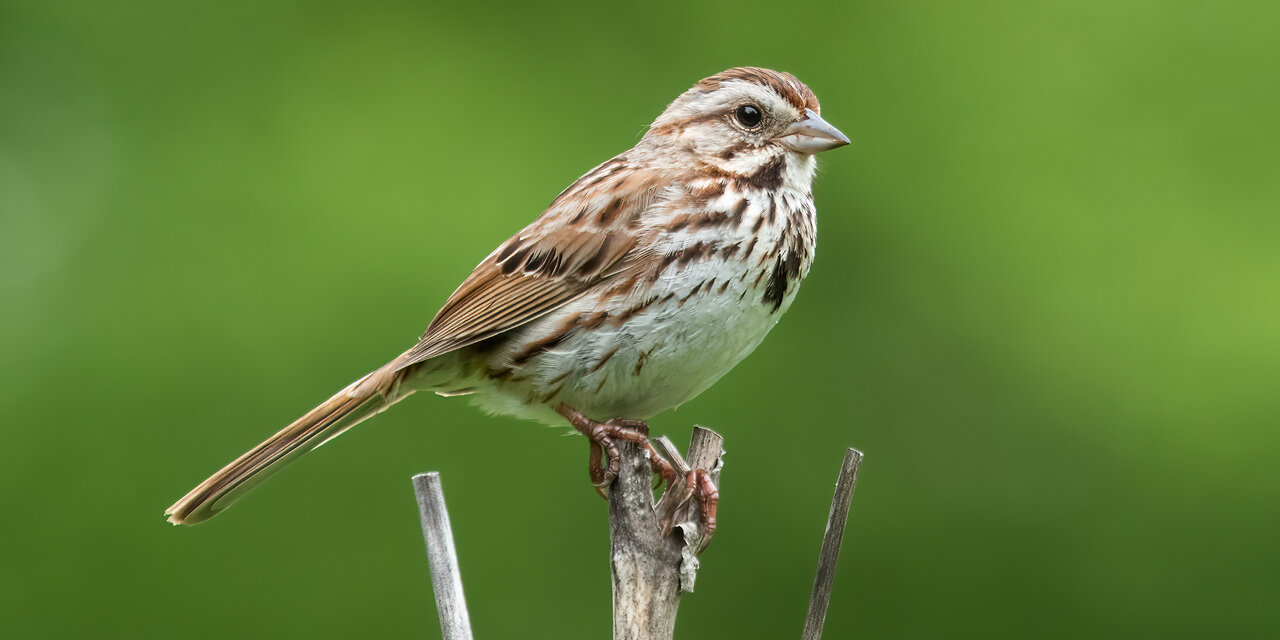
Song Sparrow
Melospiza melodia
The Pacific coast’s dark, rusty song sparrow is a fixture of every brushy shoreline, each male sings his own personal variations.
The sound: A bright song that typically opens with three sharp notes and dissolves into a jumbled trill; a blunt “chimp” call.
When to listen: All day, nearly year-round, one of the few winter singers.
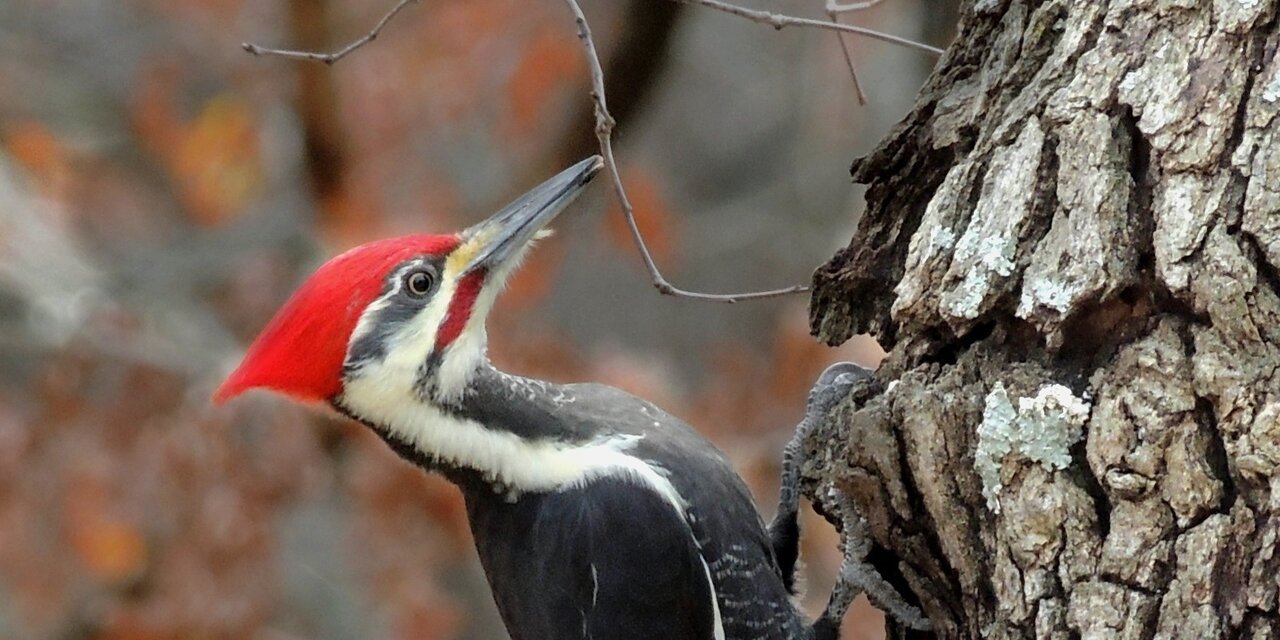
Pileated Woodpecker
Dryocopus pileatus
A crow-sized, red-crested woodpecker, the model for Woody Woodpecker, that excavates big rectangular holes in old firs and cedars around the cabins.
The sound: A loud, ringing, jungle-like “kuk-kuk-kuk” series and slow, powerful drumming that resonates through the forest.
When to listen: Mornings year-round; the drumming carries furthest in early spring.
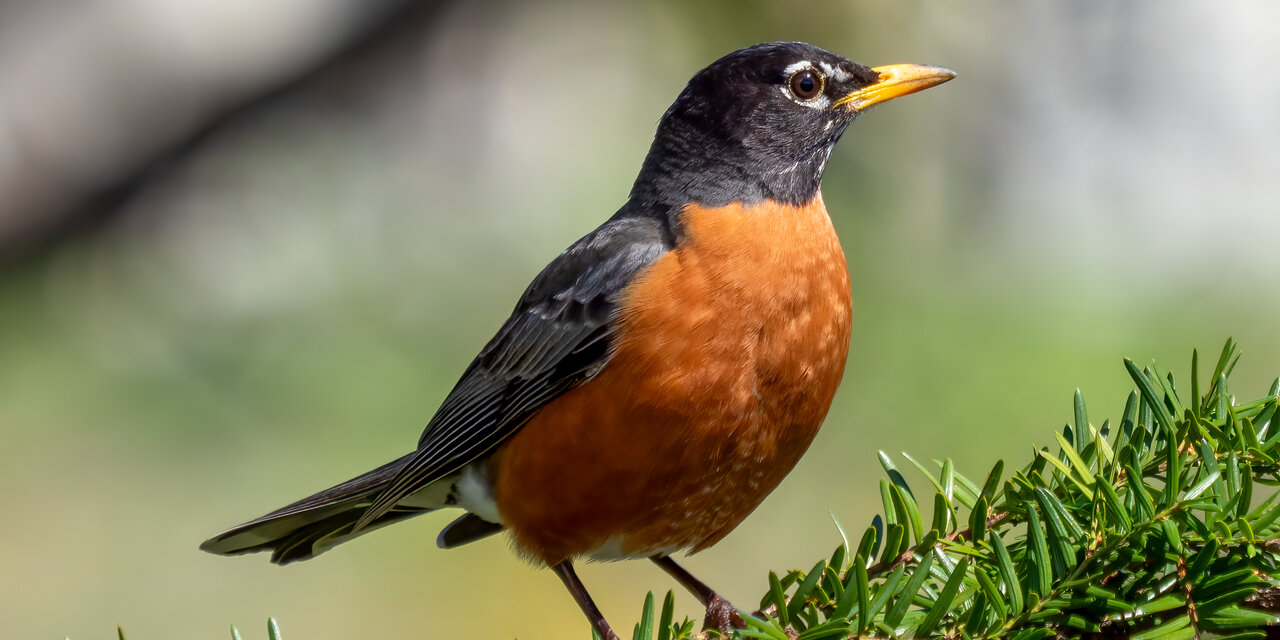
American Robin
Turdus migratorius
The familiar orange-breasted thrush of lawns and forest edge, and one of the very first voices in the dawn chorus.
The sound: A cheerful, caroling “cheerily, cheer-up, cheerio” and sharp “tut-tut” alarm notes.
When to listen: First light onward, spring through fall; the opening act of every summer dawn.
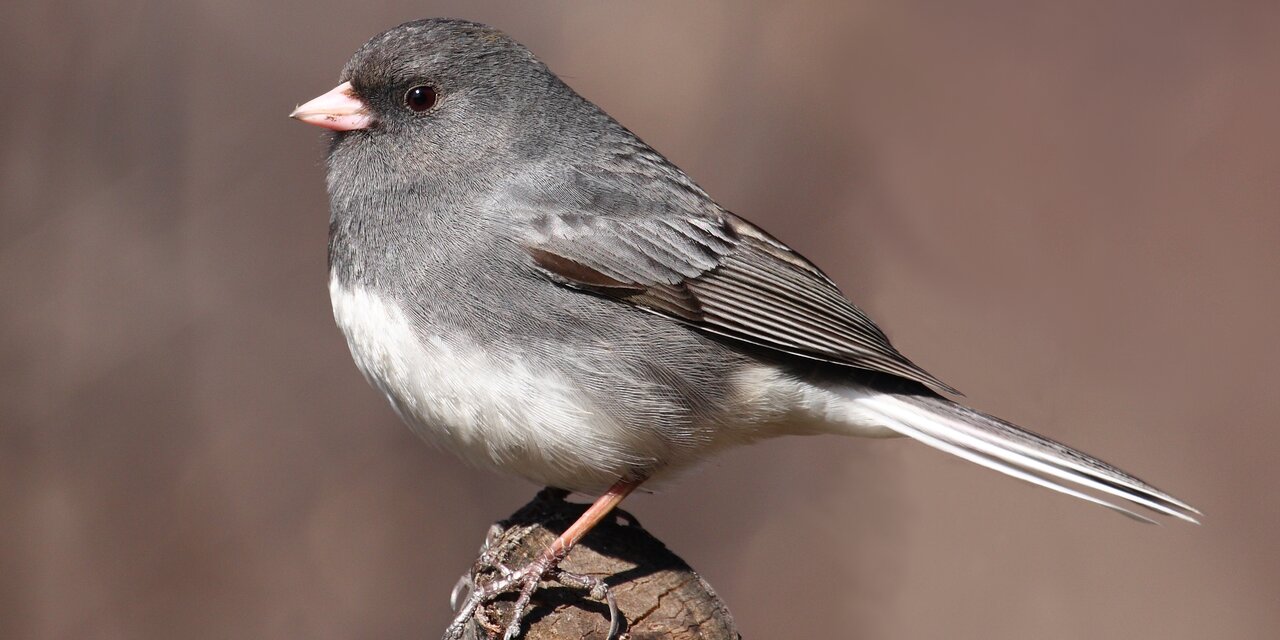
Dark-eyed Junco
Junco hyemalis
The “Oregon” junco, a black-hooded, pink-billed sparrow that flashes white tail feathers as it scatters off the trail.
The sound: A loose, musical trill on one pitch and smacking “tick” calls.
When to listen: All day, year-round; song from late winter into summer.
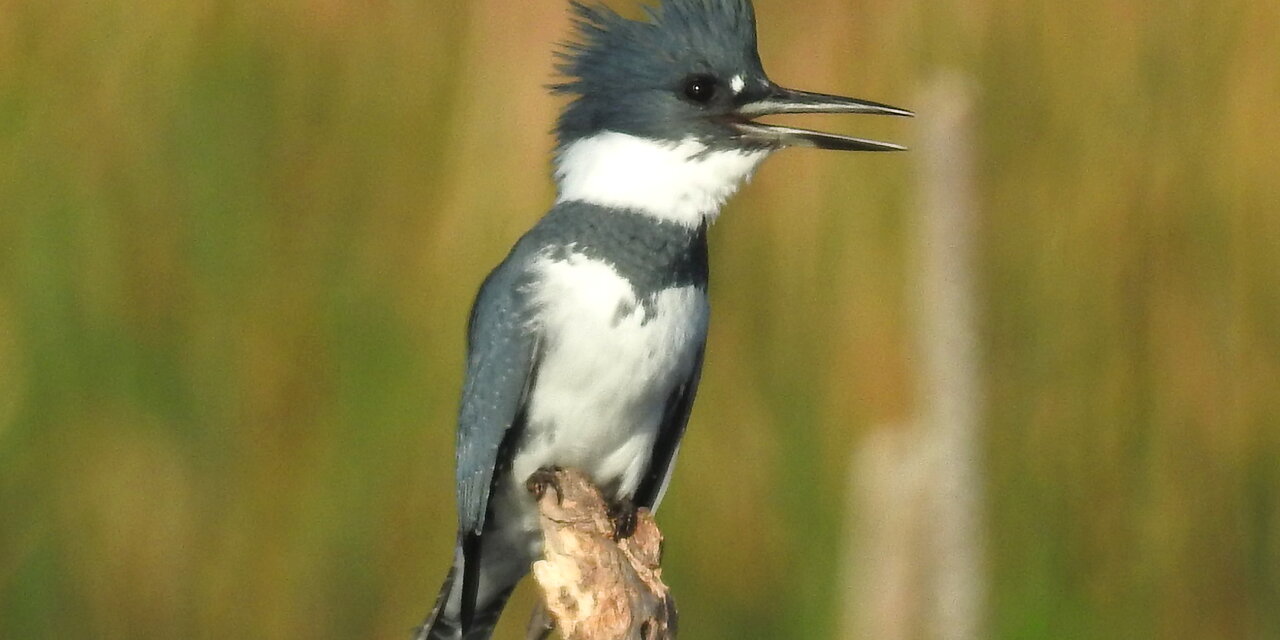
Belted Kingfisher
Megaceryle alcyon
A big-headed, slate-blue fisher that hunts from snags over the water and dives headfirst for minnows. One regularly works the shoreline off our dock.
The sound: A loud, mechanical rattle, usually given in flight as it patrols the shore.
When to listen: Any daylight hour along the waterfront, you’ll hear it before you see it.
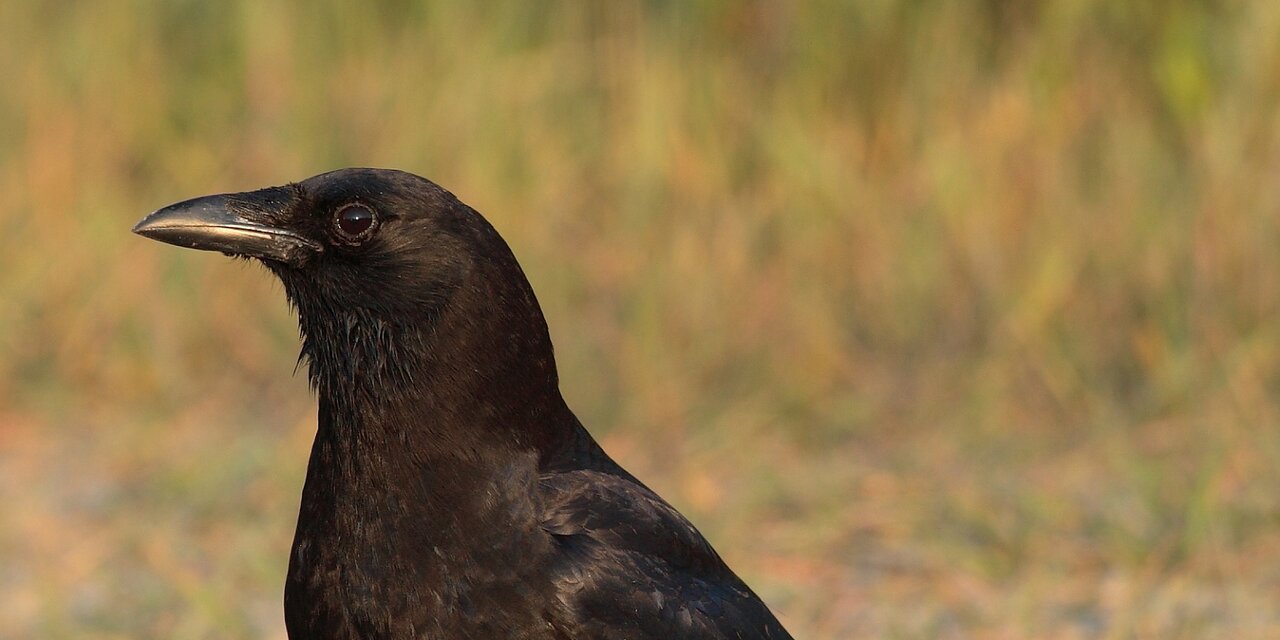
American Crow
Corvus brachyrhynchos
The coastal crows of Vancouver Island are smaller and raspier-voiced than mainland birds. Sociable, clever, and always aware of you.
The sound: The familiar “caw”, plus rattles and clicks in conversation.
When to listen: All day, year-round.
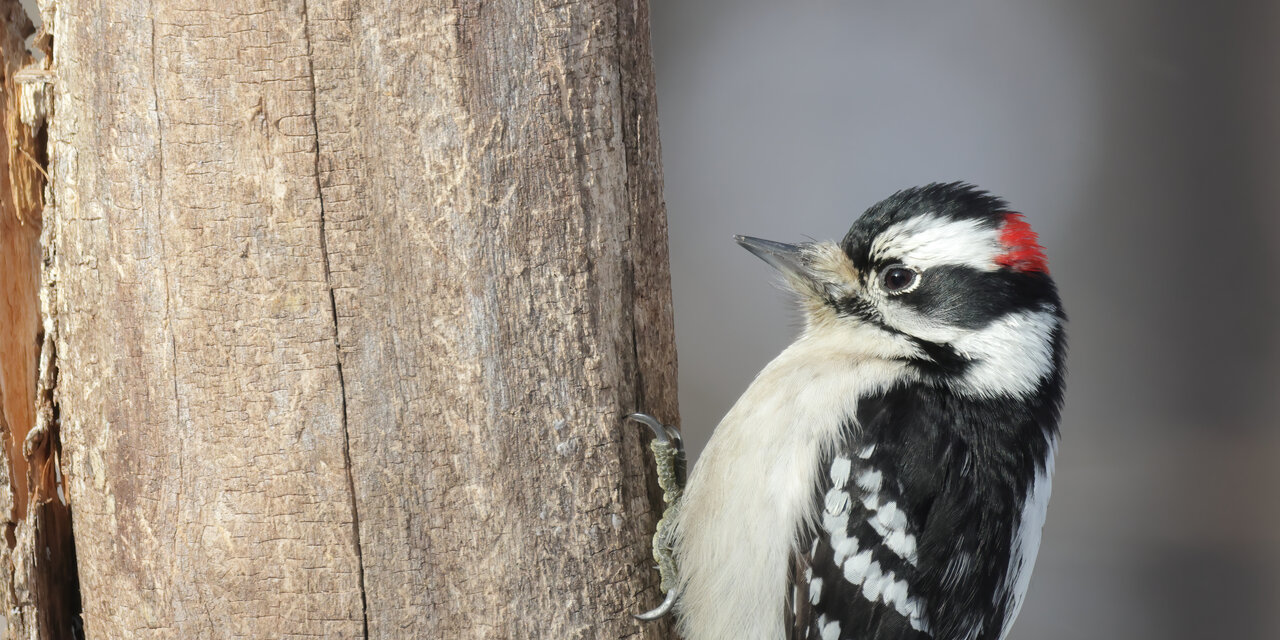
Downy Woodpecker
Dryobates pubescens
The smallest North American woodpecker, a sparrow-sized black-and-white bird that works alder branches and shrubs.
The sound: A sharp “pik!” and a descending whinny; short, soft drum rolls.
When to listen: Daylight hours year-round.
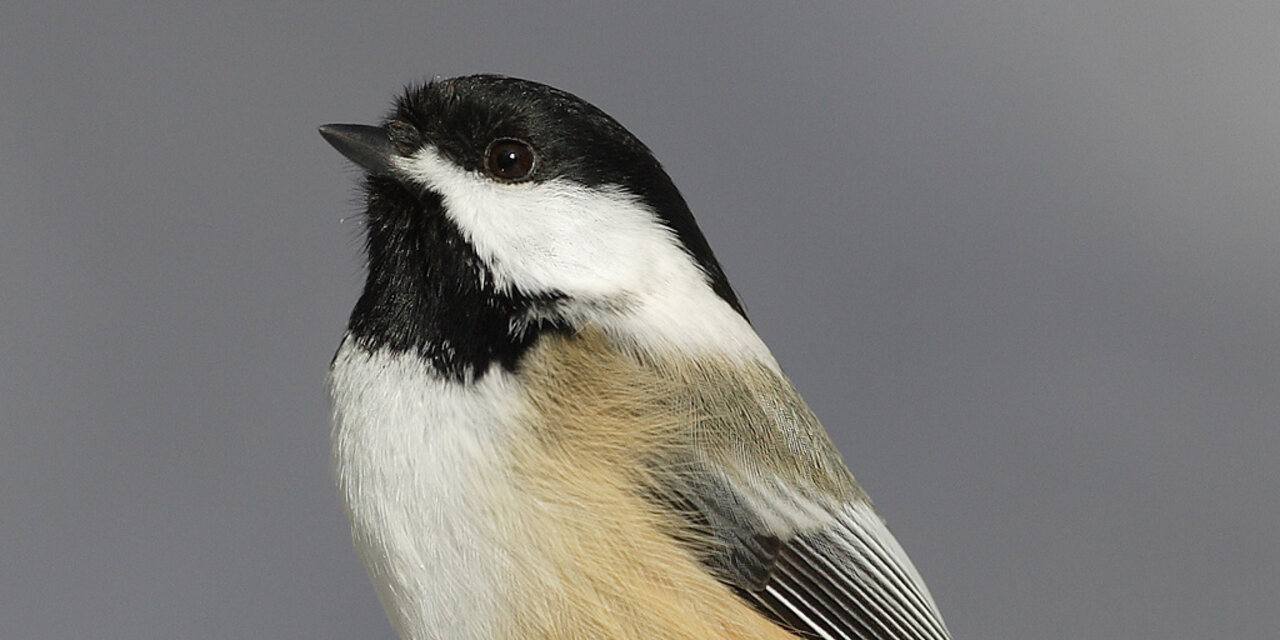
Black-capped Chickadee
Poecile atricapillus
Small, nonmigratory North American passerine in the Paridae (tits) family. Distinctive black cap, black bib, white cheeks, white belly, buff sides and grey wings/back/tail. Lives in deciduous and mixed forests from the northern United States through southern Canada to Alaska and Yukon. Feeds on insects and seeds, caches food for winter (with hippocampus growth during caching season), forms strict dominance hierarchies in social flocks (which include other species in winter), can lower body temperature on cold nights, and nests in tree cavities (nesting late April–late June; average 6–8 eggs, hatch 11–14 days, fledging 12–16 days). Population thought to be increasing; IUCN least concern. State/provincial bird of Massachusetts, Maine, and New Brunswick.
The sound: Vocalizations include a "fee-bee" song and a "chick-a-dee-dee-dee" call.
When to listen: Nonmigratory, present year-round. Nesting season late April to late June.
Photo by No machine-readable author provided. Mdf assumed (based on copyright claims).. Wikimedia Commons · CC BY-SA 3.0 · Profile refreshed 2026-08-25
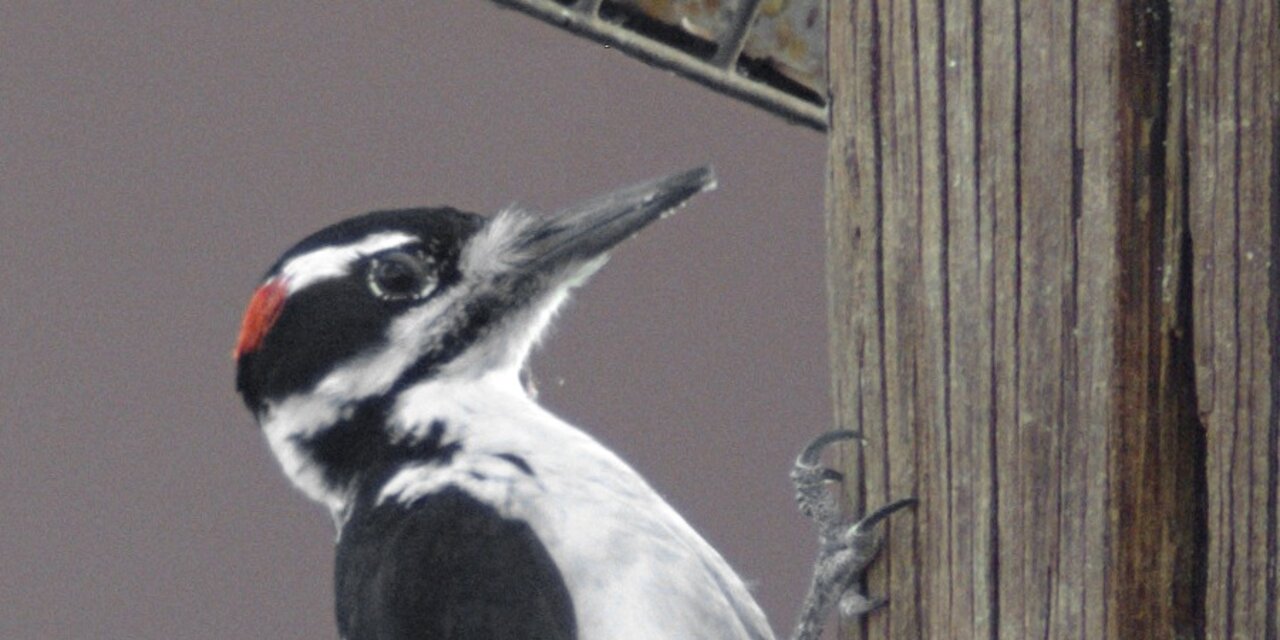
Hairy Woodpecker
Dryobates villosus
The downy’s bigger, longer-billed twin, favouring the trunks of large conifers.
The sound: A sharper, stronger “peek!” than the downy, and a fast, even drum roll.
When to listen: Daylight hours year-round in the taller timber.
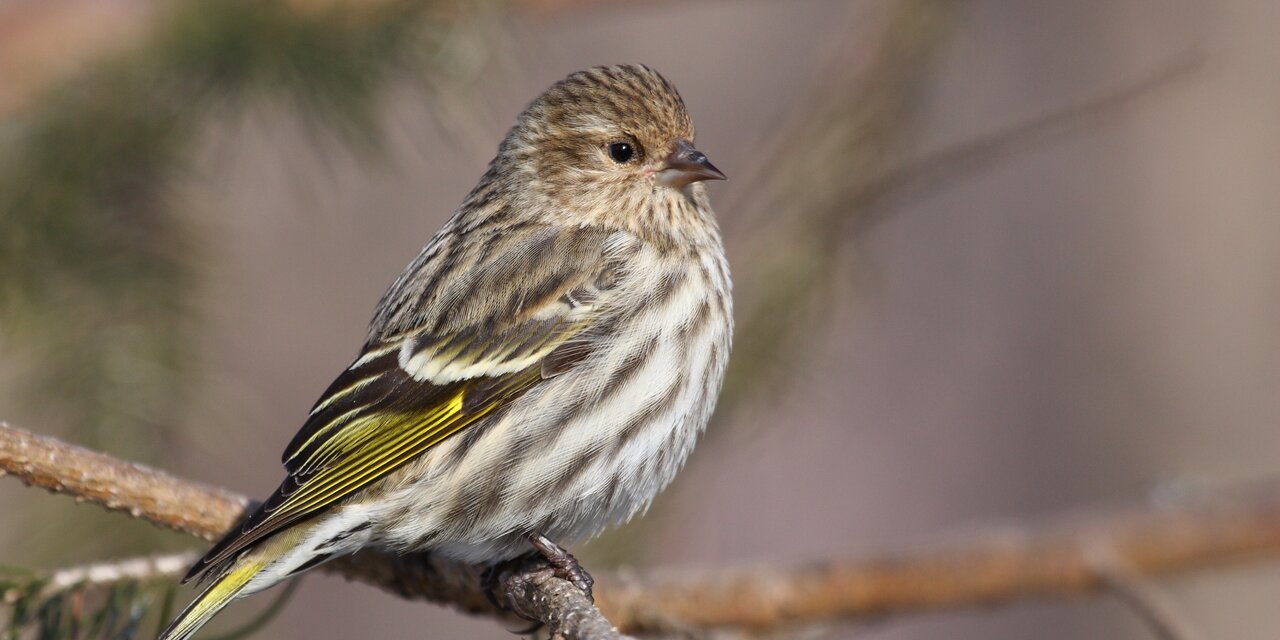
Pine Siskin
Spinus pinus
A streaky little finch that roams the conifers in restless, chattering flocks, abundant some years, absent others.
The sound: Wheezy twitters and a rising, zipper-like “zreeeeet”.
When to listen: Any time of year, usually as a flock passing through the canopy.
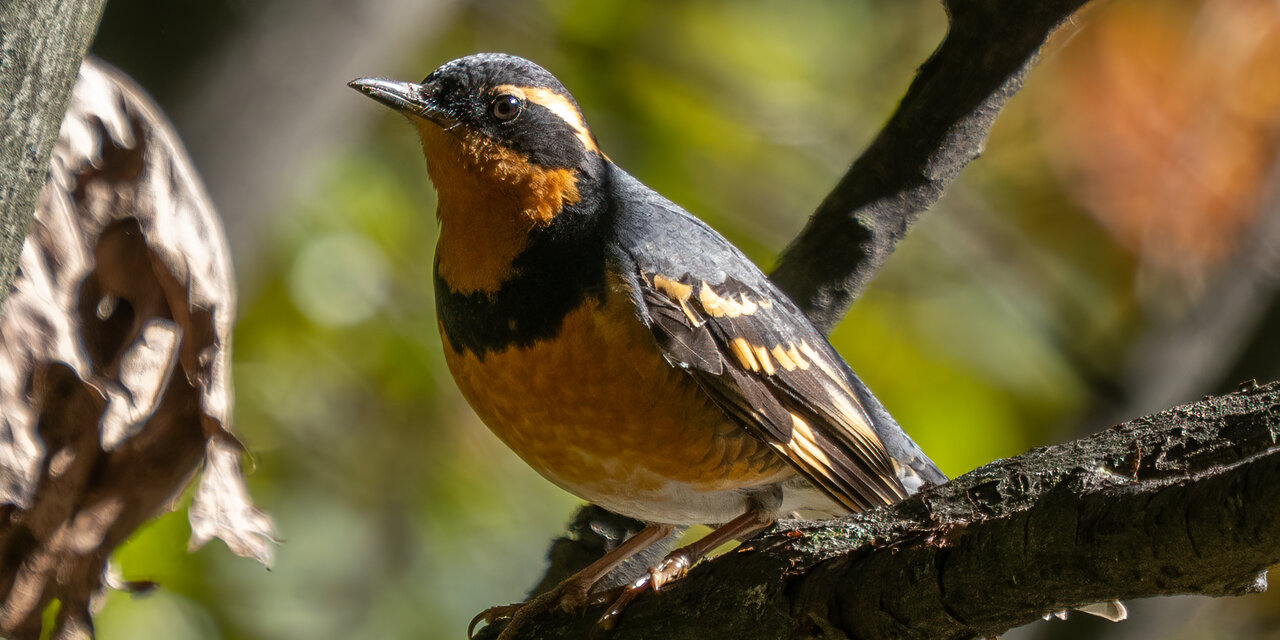
Varied Thrush
Ixoreus naevius
A burnt-orange and slate thrush of dark conifer forest, the Pacific Northwest’s moodier answer to the robin, and a signature species of our forest floor.
The sound: A single, eerie, buzzy whistle held on one pitch, then repeated on a different note, like a tuning fork in the fog.
When to listen: Early morning and overcast days; most vocal in spring and fall.
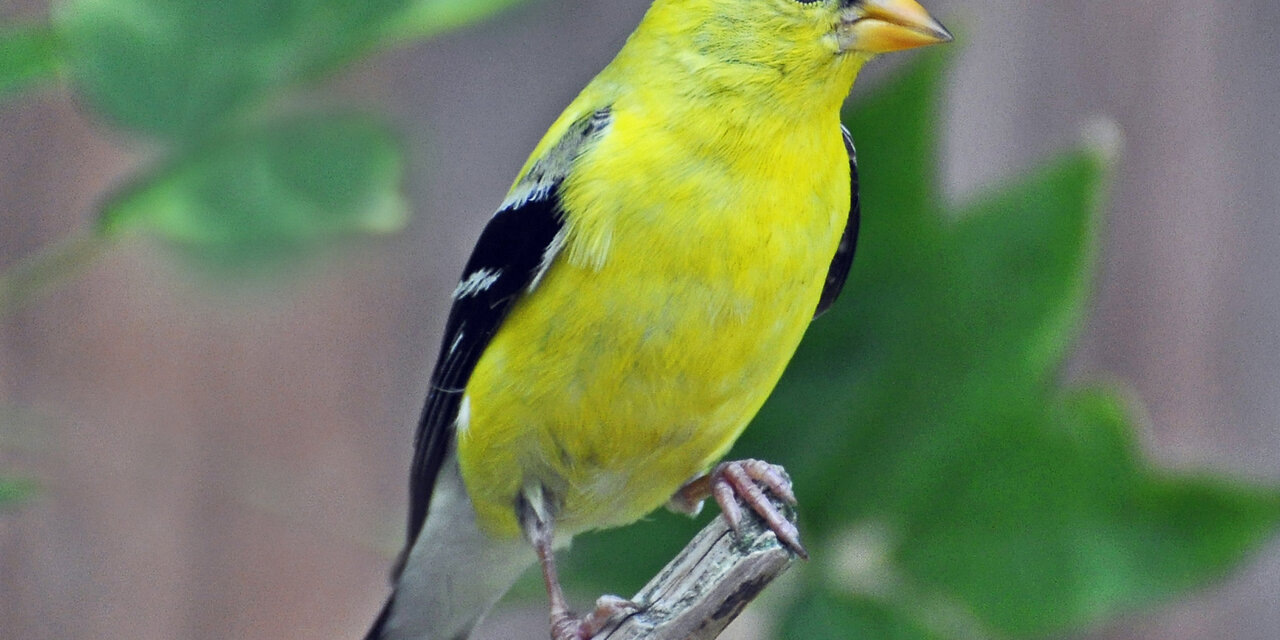
American Goldfinch
Spinus tristis
A canary-yellow finch of open, weedy edges that bounces through the air like it’s on a sine wave.
The sound: A twittering “po-ta-to-chip” given in flight, and sweet, rambling song.
When to listen: Late spring through summer in open areas.
Golden-crowned Sparrow
Zonotrichia atricapilla
Field guide profile pending. This species has been acoustically detected, but we have not yet verified a complete, licensed profile.
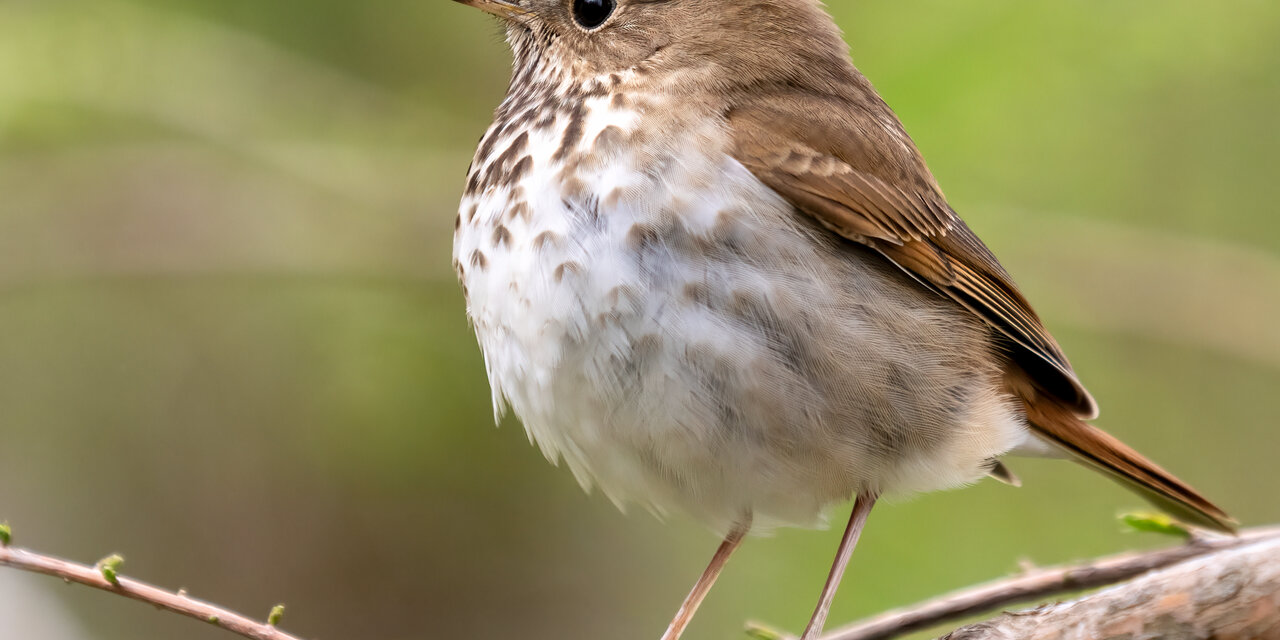
Hermit Thrush
Catharus guttatus
The Swainson’s quieter cousin, a spotted thrush with a rusty tail whose song many consider the most beautiful in North America.
The sound: A clear, held opening note followed by a silvery, echoing flourish; each phrase on a different pitch.
When to listen: Spring and fall migration at the property; summer song higher in the hills.
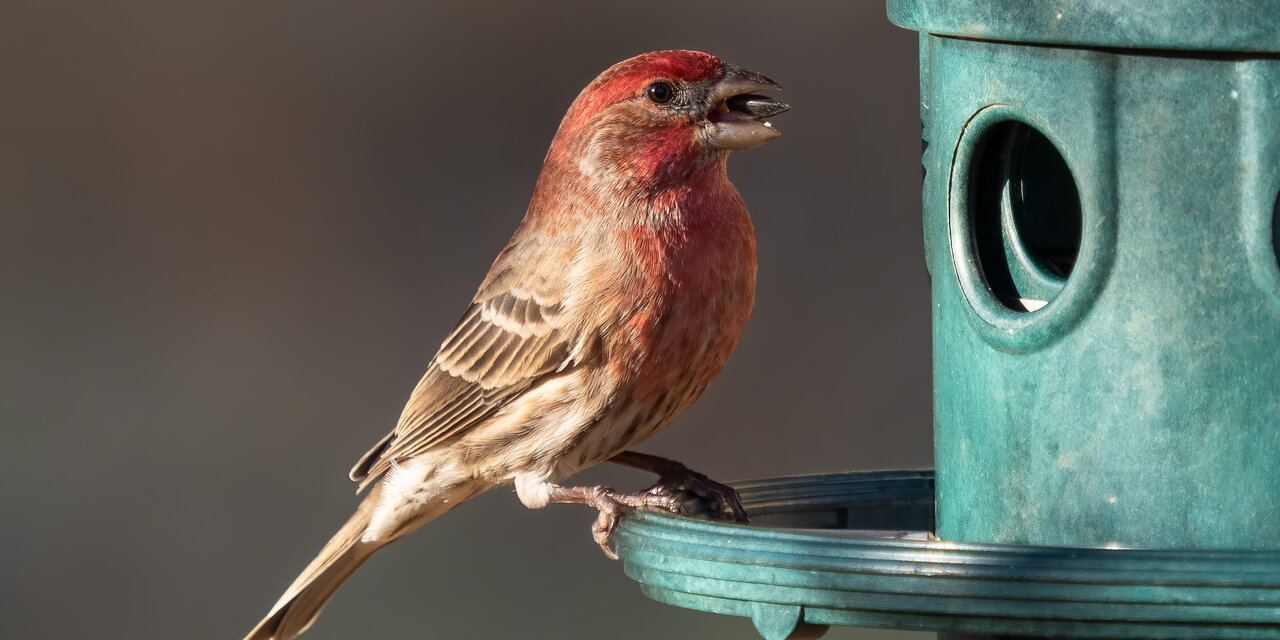
House Finch
Haemorhous mexicanus
The cheerful red-headed finch of buildings and feeders, more at home around people than deep forest.
The sound: A long, jumbled warble usually ending in a buzzy slur.
When to listen: All day around the buildings, year-round.
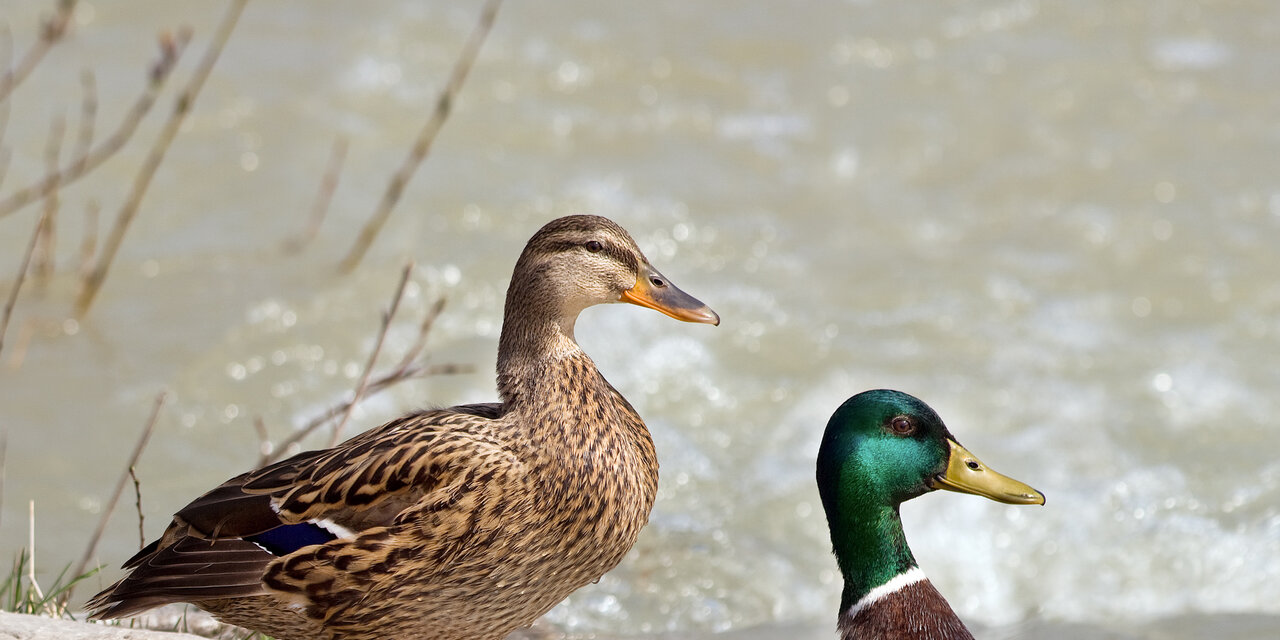
Mallard
Anas platyrhynchos
The classic green-headed dabbling duck, at home in every quiet bay. Pairs loiter around docks and beaches all year.
The sound: The archetypal duck quack, a loud, descending series from the female; the male gives a quieter rasp.
When to listen: All day along the shoreline, year-round.
American Pipit
Anthus rubescens
Field guide profile pending. This species has been acoustically detected, but we have not yet verified a complete, licensed profile.
Mourning Dove
Zenaida macroura
Field guide profile pending. This species has been acoustically detected, but we have not yet verified a complete, licensed profile.
Bohemian Waxwing
Bombycilla garrulus
Field guide profile pending. This species has been acoustically detected, but we have not yet verified a complete, licensed profile.
Northern Pygmy-Owl
Glaucidium gnoma
Field guide profile pending. This species has been acoustically detected, but we have not yet verified a complete, licensed profile.
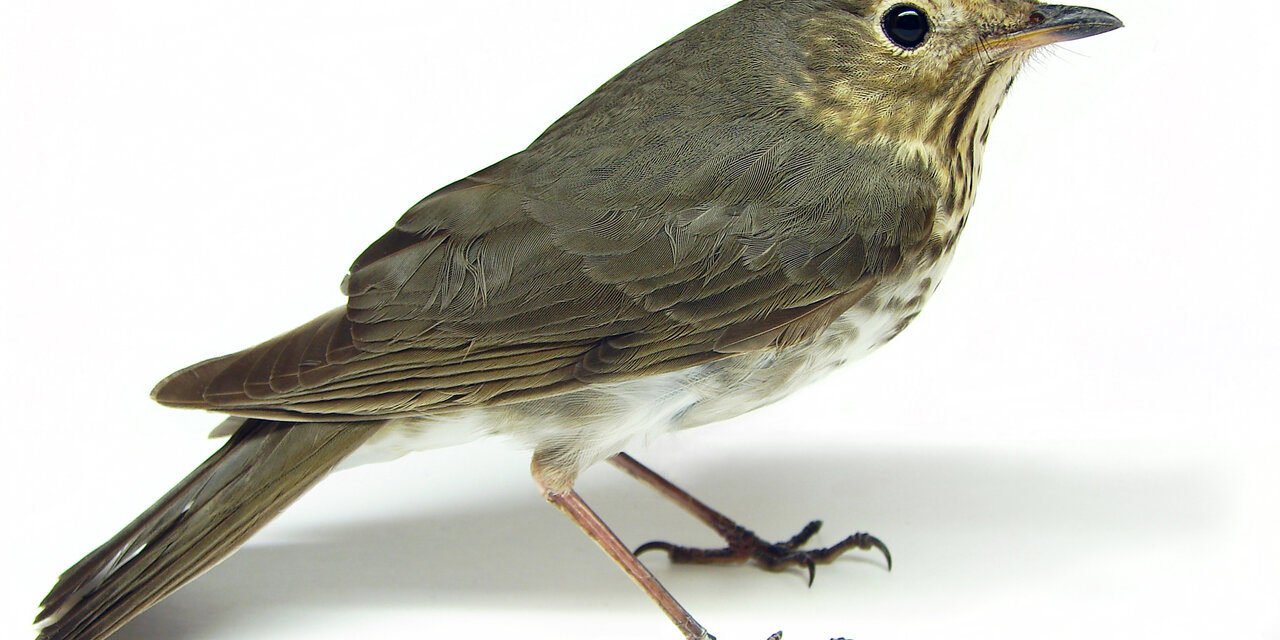
Swainson’s Thrush
Catharus ustulatus
A shy, olive-brown thrush that arrives from the tropics each May and fills the forest with song all summer, heard constantly, seen rarely.
The sound: An upward-spiralling, flute-like song that seems to rise into the canopy, plus a soft “whit” call.
When to listen: The defining sound of summer evenings here, June through early August.
Cackling Goose
Branta hutchinsii
Field guide profile pending. This species has been acoustically detected, but we have not yet verified a complete, licensed profile.
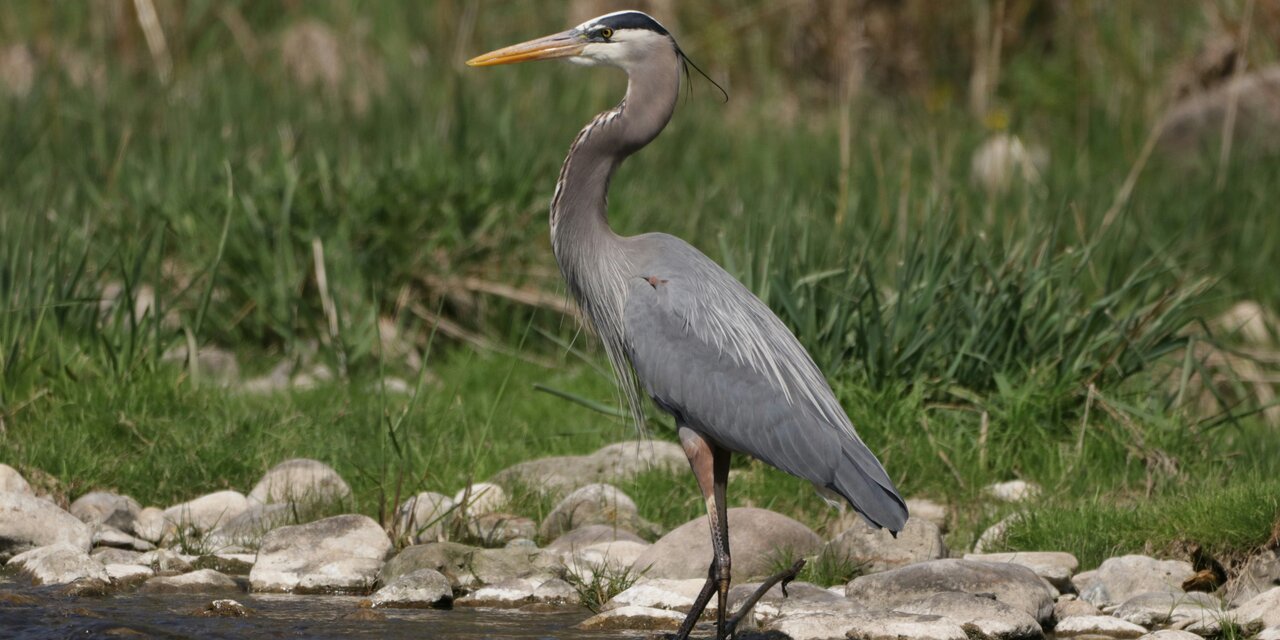
Great Blue Heron
Ardea herodias
A tall, patient hunter that stalks the shallows at first light, the Pacific coast subspecies stays here year-round.
The sound: A harsh, prehistoric “fraaahnk”, usually as it flushes.
When to listen: Dawn and dusk in the shallows; the croak is unmistakable at any hour.
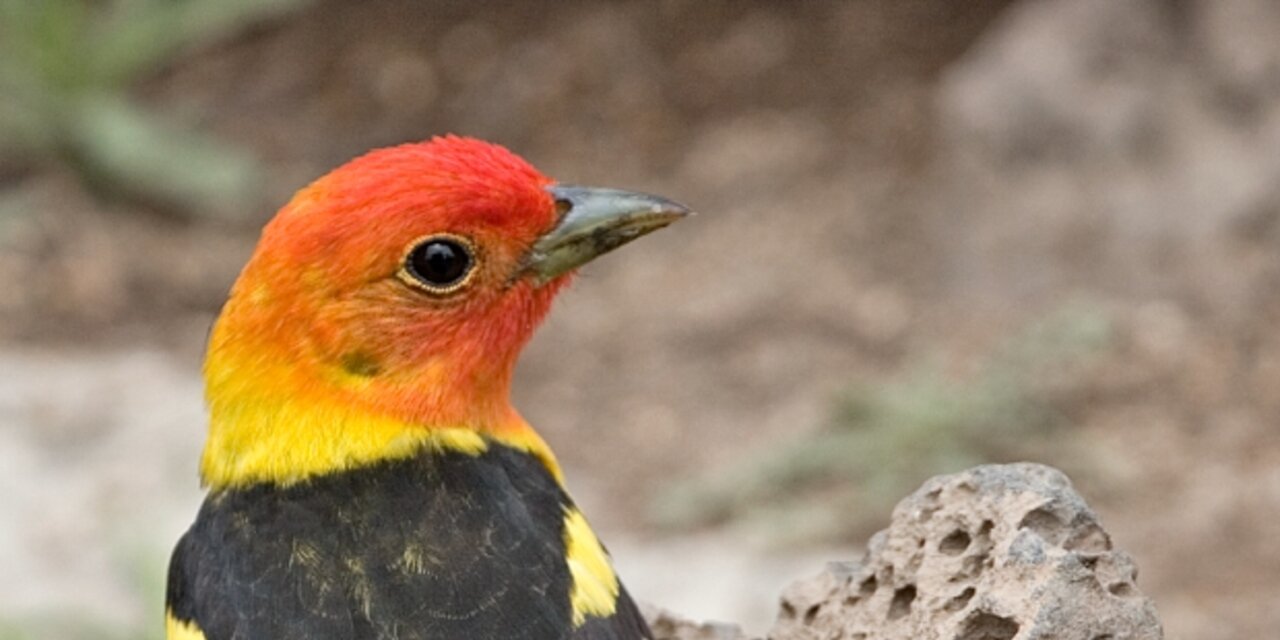
Western Tanager
Piranga ludoviciana
A flame-headed, yellow-bodied jewel of the conifer canopy, the most tropical-looking bird in the forest, and it winters in Central America.
The sound: A hoarse, robin-with-a-sore-throat song and a rising “pit-er-ick” call.
When to listen: May through July, usually high in the canopy.
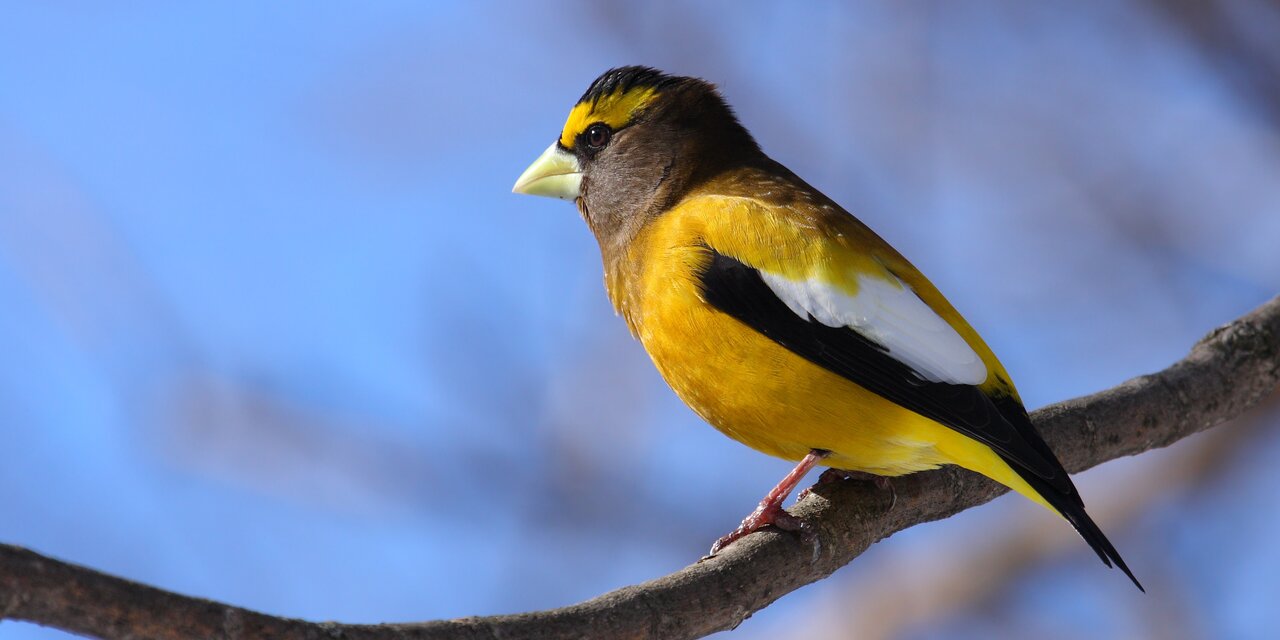
Evening Grosbeak
Coccothraustes vespertinus
A chunky gold-and-black finch with a huge pale bill, arriving in noisy, sociable flocks when food is right.
The sound: Loud, ringing “clee-ip” calls, like a house sparrow with a megaphone.
When to listen: Unpredictable, flocks may appear in any season.
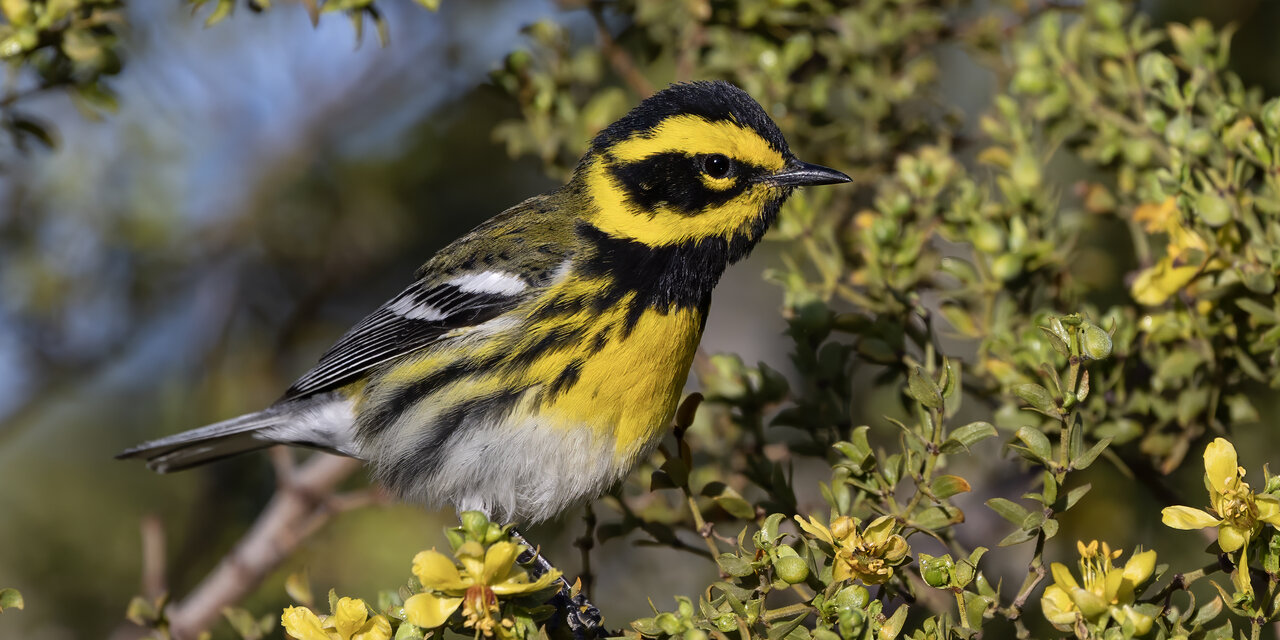
Townsend’s Warbler
Setophaga townsendi
A striking yellow-and-black-faced warbler of the high conifer canopy, a Pacific Northwest specialty.
The sound: A buzzy, wheezy song, “weazy weazy weazy twea”, from the treetops.
When to listen: May through summer, high in the firs; some winter on the coast.
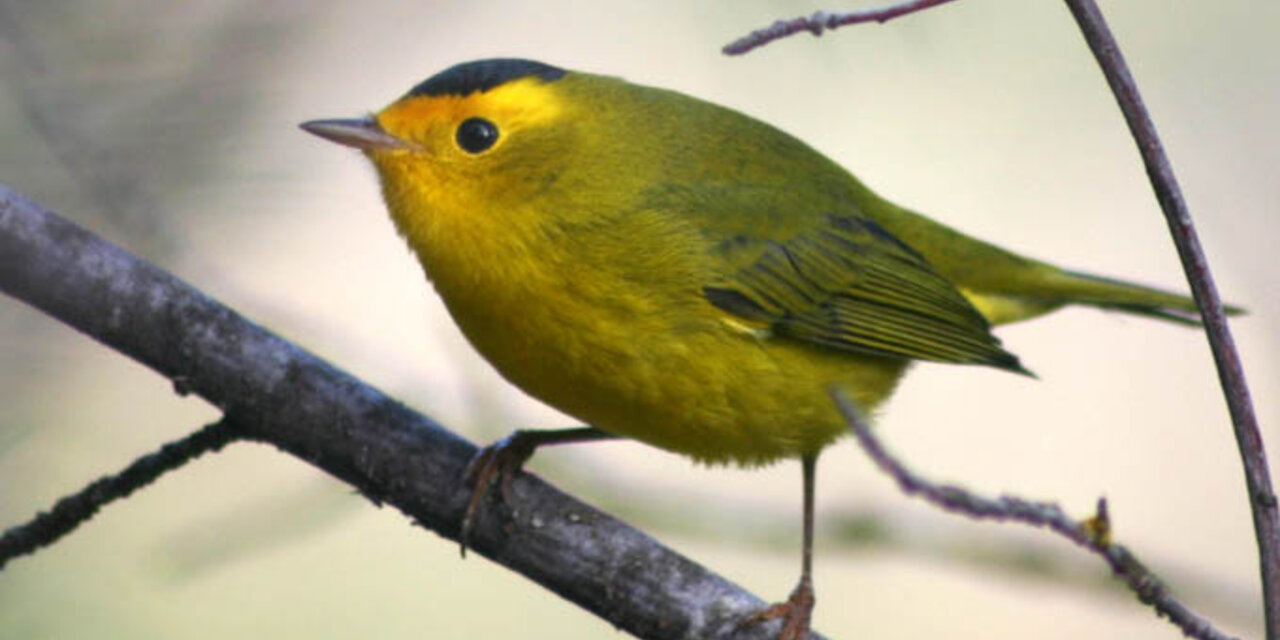
Wilson’s Warbler
Cardellina pusilla
A tiny lemon-yellow warbler with a neat black cap, twitching through the shrubbery near water.
The sound: A rapid, chattering series that speeds up and drops at the end.
When to listen: May through August in the understory.
Savannah Sparrow
Passerculus sandwichensis
Field guide profile pending. This species has been acoustically detected, but we have not yet verified a complete, licensed profile.
Green-winged Teal
Anas crecca
Field guide profile pending. This species has been acoustically detected, but we have not yet verified a complete, licensed profile.
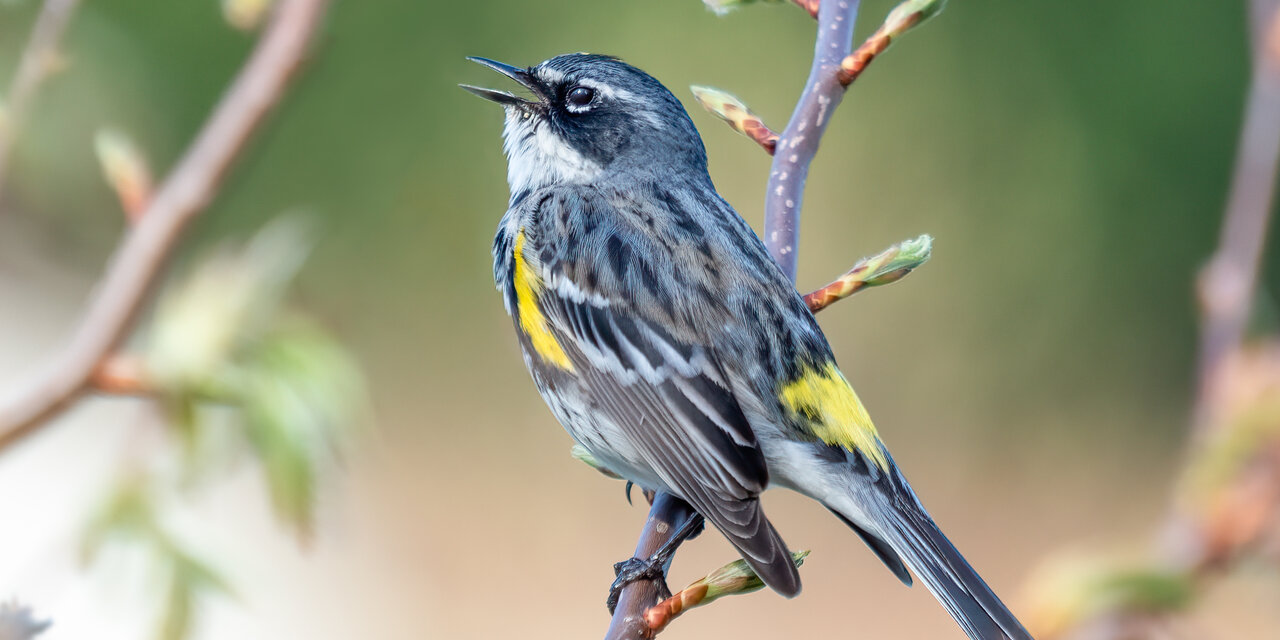
Yellow-rumped Warbler
Setophaga coronata
The hardy generalist of the warbler clan, flashes a yellow rump as it sallies for insects along the shoreline trees.
The sound: A loose, junco-like trill and an emphatic “check” call.
When to listen: Spring and fall migration in numbers; some breed nearby.
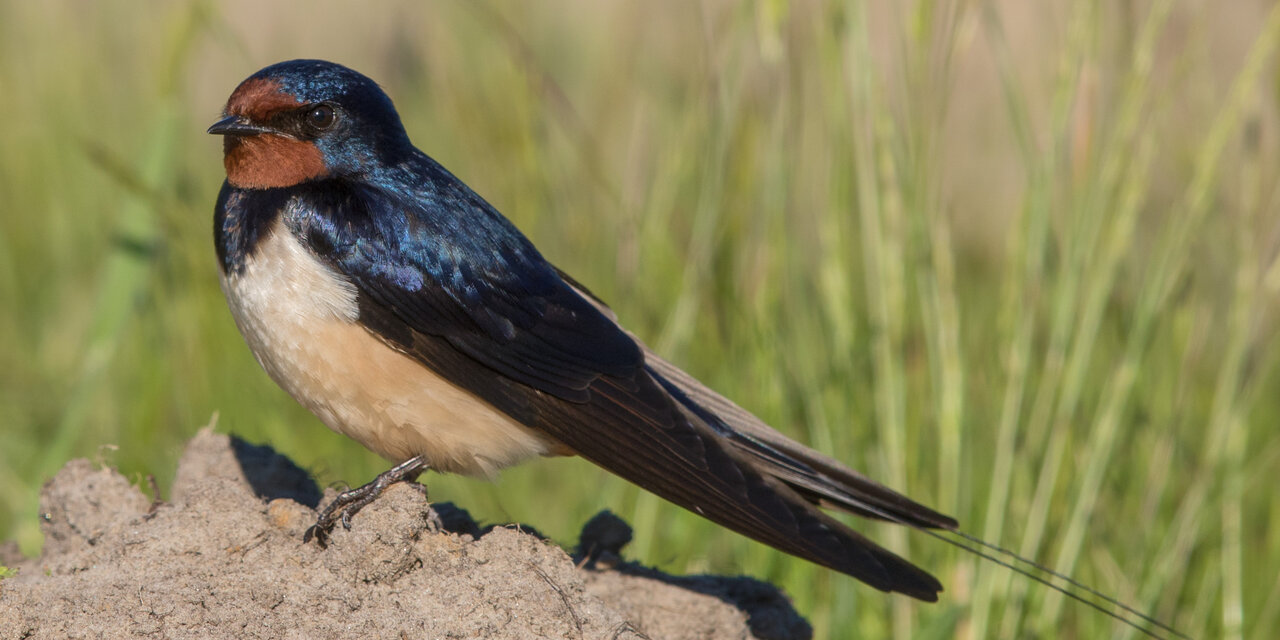
Barn Swallow
Hirundo rustica
The fork-tailed, rust-bellied swallow that plasters mud-cup nests under eaves and docks, hawking insects in low, graceful passes.
The sound: Cheerful, scratchy twittering with a mechanical churr mixed in.
When to listen: April through September, often right around the buildings.
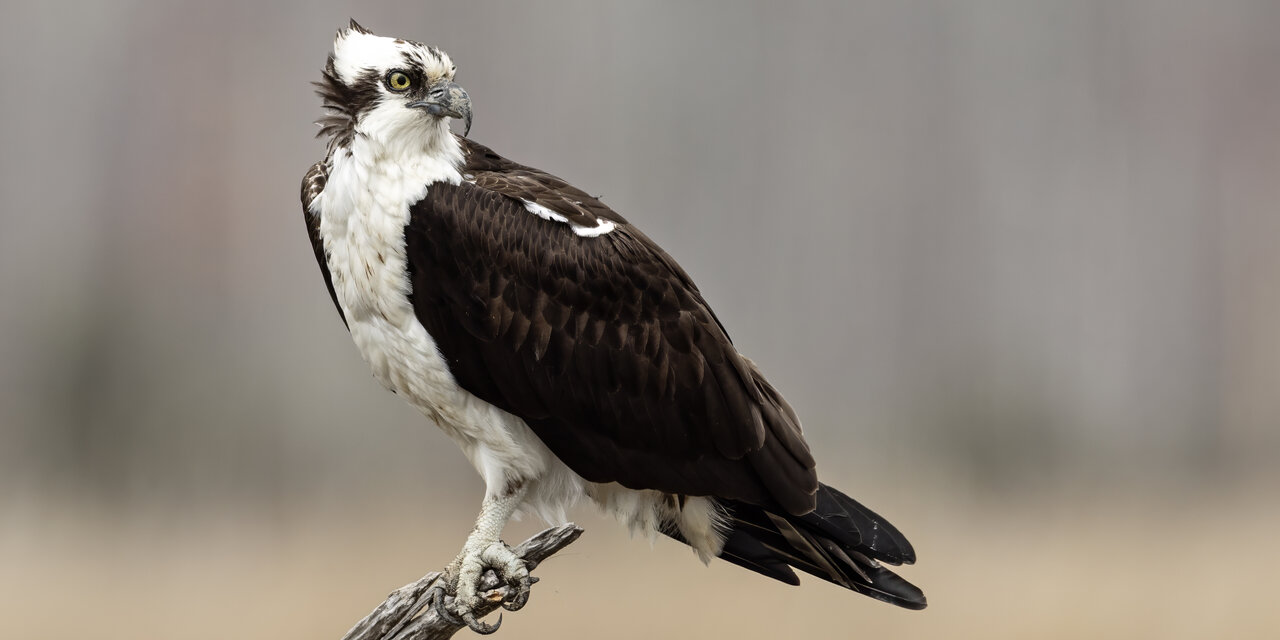
Osprey
Pandion haliaetus
The fish hawk, it hovers over the lake and plunges feet-first for trout. Ospreys nest on snags and pilings around Cowichan Lake every summer.
The sound: A series of short, sharp, whistled chirps, surprisingly delicate for a raptor.
When to listen: Daylight hours over the water, April through September.
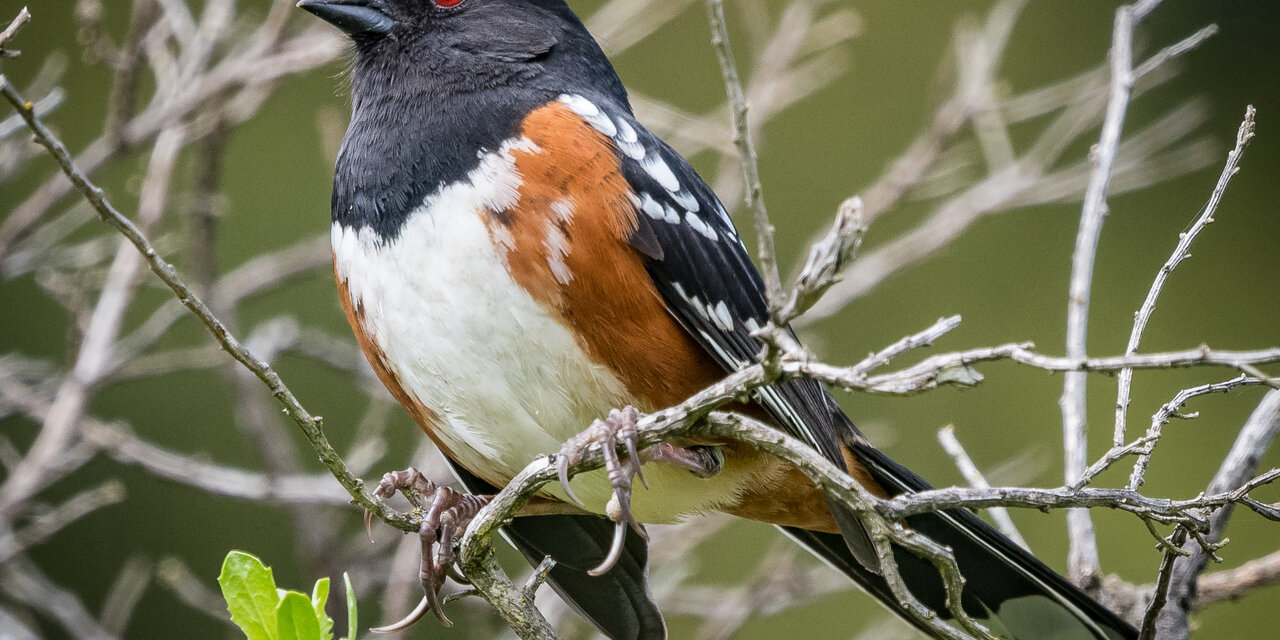
Spotted Towhee
Pipilo maculatus
A big, handsome sparrow, black hood, rufous flanks, red eye, that noisily double-scratches in the leaf litter under the salal.
The sound: A catlike, rising “mreeee?” and a fast buzzy trill.
When to listen: All day, year-round, from dense understory.
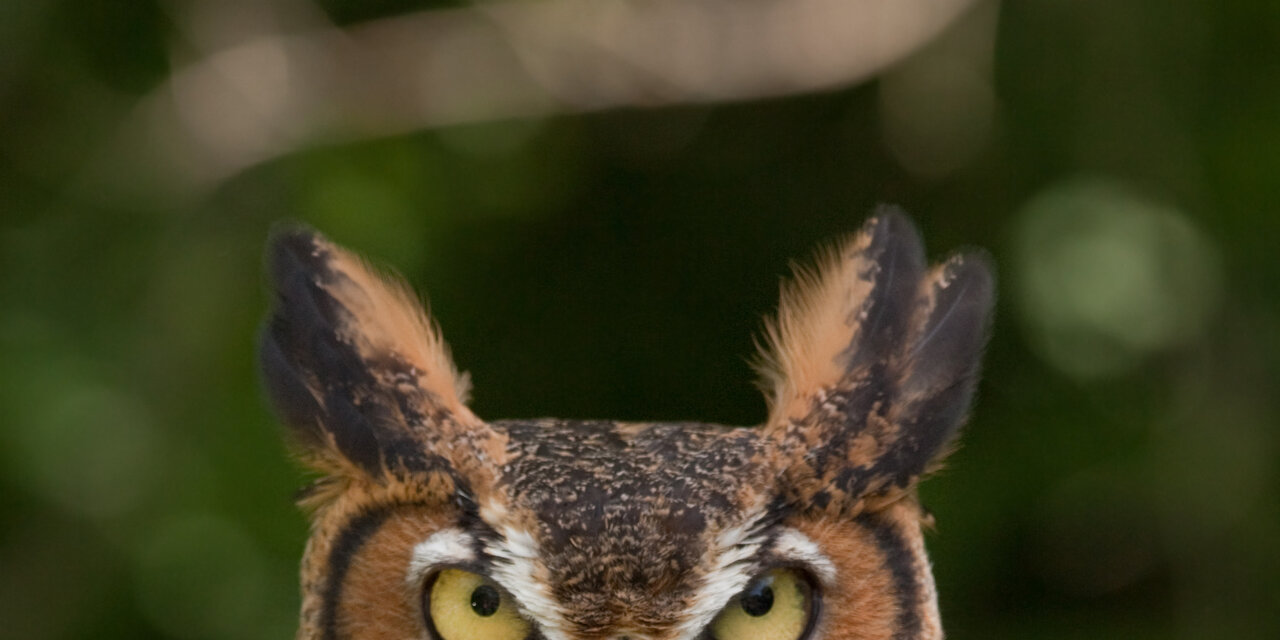
Great Horned Owl
Bubo virginianus
The classic tufted owl and the night watch of the property, a powerful hunter that takes everything from mice to skunks.
The sound: A deep, stuttering “hoo-h’HOO, hoo, hoo”, pairs often duet, the female’s voice slightly higher.
When to listen: After dark and before first light, most reliably in late winter and spring.
Greater Yellowlegs
Tringa melanoleuca
Field guide profile pending. This species has been acoustically detected, but we have not yet verified a complete, licensed profile.
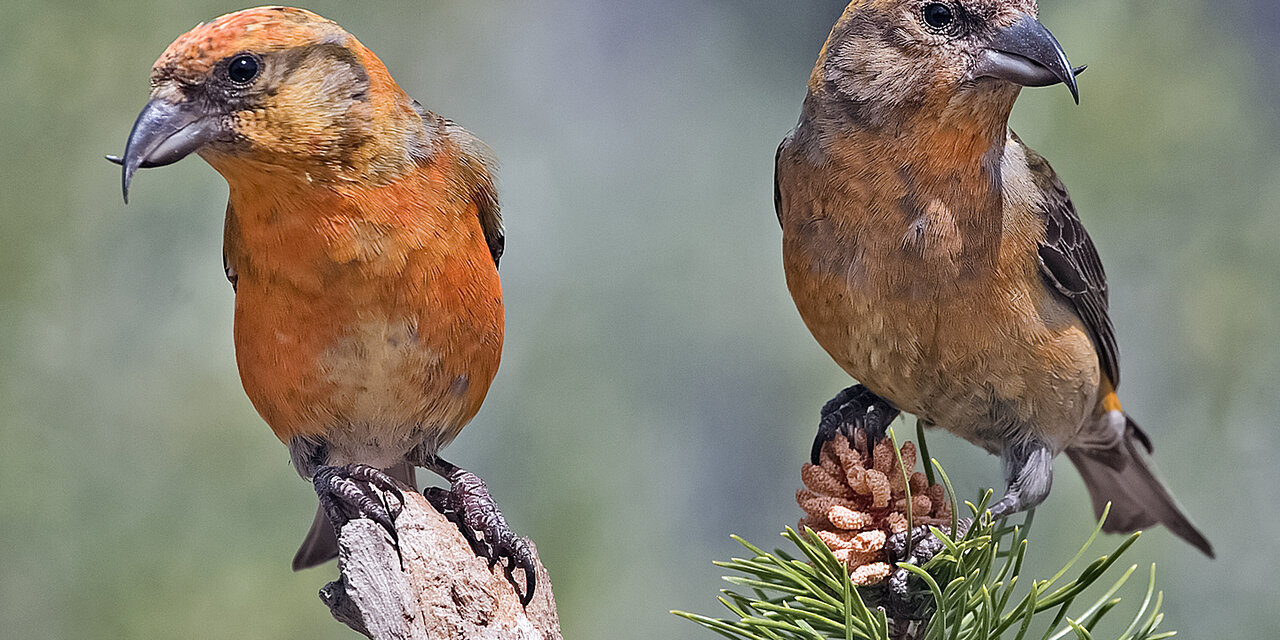
Red Crossbill
Loxia curvirostra
A nomadic finch whose crossed bill-tips pry seeds from conifer cones. Flocks follow the cone crop and announce themselves overhead.
The sound: Hard “jip-jip-jip” flight calls, usually from birds passing high over the trees.
When to listen: Any month, whenever the Douglas-fir cone crop draws them in.
Eurasian Wigeon
Mareca penelope
Field guide profile pending. This species has been acoustically detected, but we have not yet verified a complete, licensed profile.
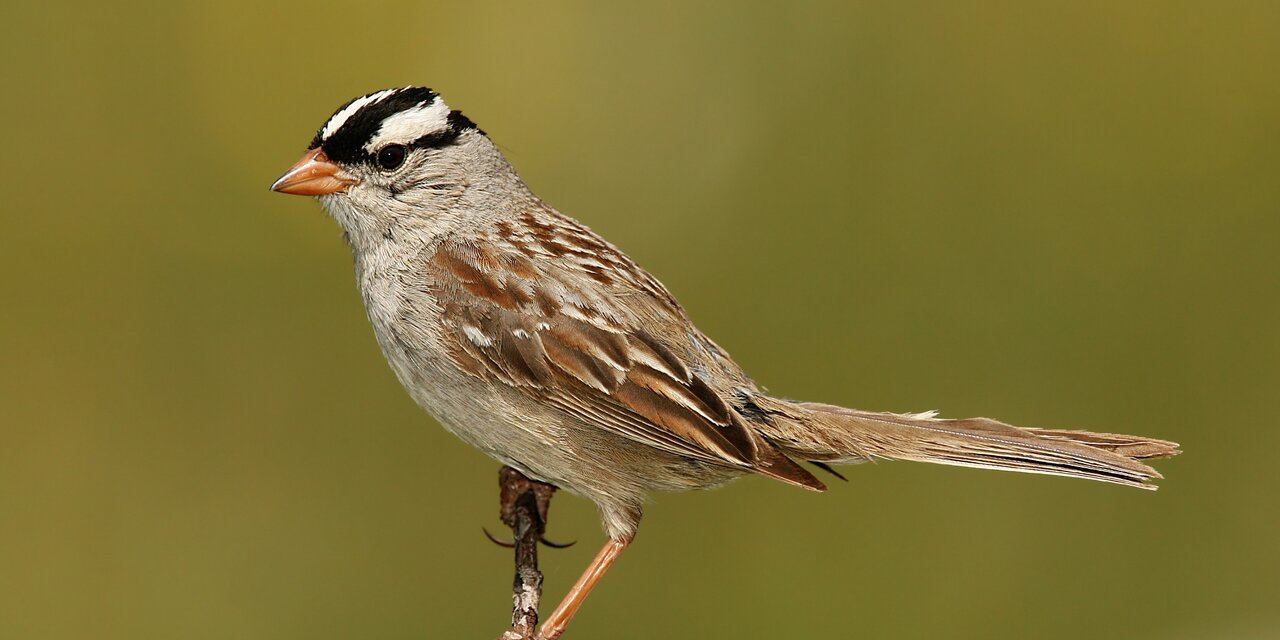
White-crowned Sparrow
Zonotrichia leucophrys
A dapper sparrow with bold black-and-white head stripes, singing from the top of shoreline shrubs.
The sound: A wistful song opening with clear whistles and ending in buzzy trills; a sharp “pink” call.
When to listen: Spring through summer at edges and clearings.
Bird photographs via Wikimedia Commons.
Reading timestamps and source status
- weather: live. Observed .
- water: live. Observed .
- air: live. Observation time unavailable.
- birds: live. Observed .
Planning your stay
Birdlife Questions
What birds can you hear at Cowichan Lake?
The north shore of Cowichan Lake sits in coastal Douglas-fir forest, and the birdlife reflects it: common loons call across the water at dawn and dusk, bald eagles and ospreys patrol the lake, belted kingfishers rattle along the shoreline, and the forest carries the songs of Pacific wrens, varied thrushes, and Swainson’s thrushes, with barred and great horned owls after dark. Aera Cabins runs a BirdWeather acoustic station at the property that identifies species by song around the clock, so this page shows which birds have actually been heard here, updated live.
About this data
A BirdWeather listening station at Aera Cabins identifies bird species by song, around the clock, in the coastal Douglas-fir forest on the north shore of Cowichan Lake. Detections are acoustic identifications with a confidence score, a living record of the forest you wake up in, measured at the property itself.